Study evaluates at-home transvaginal ultrasound
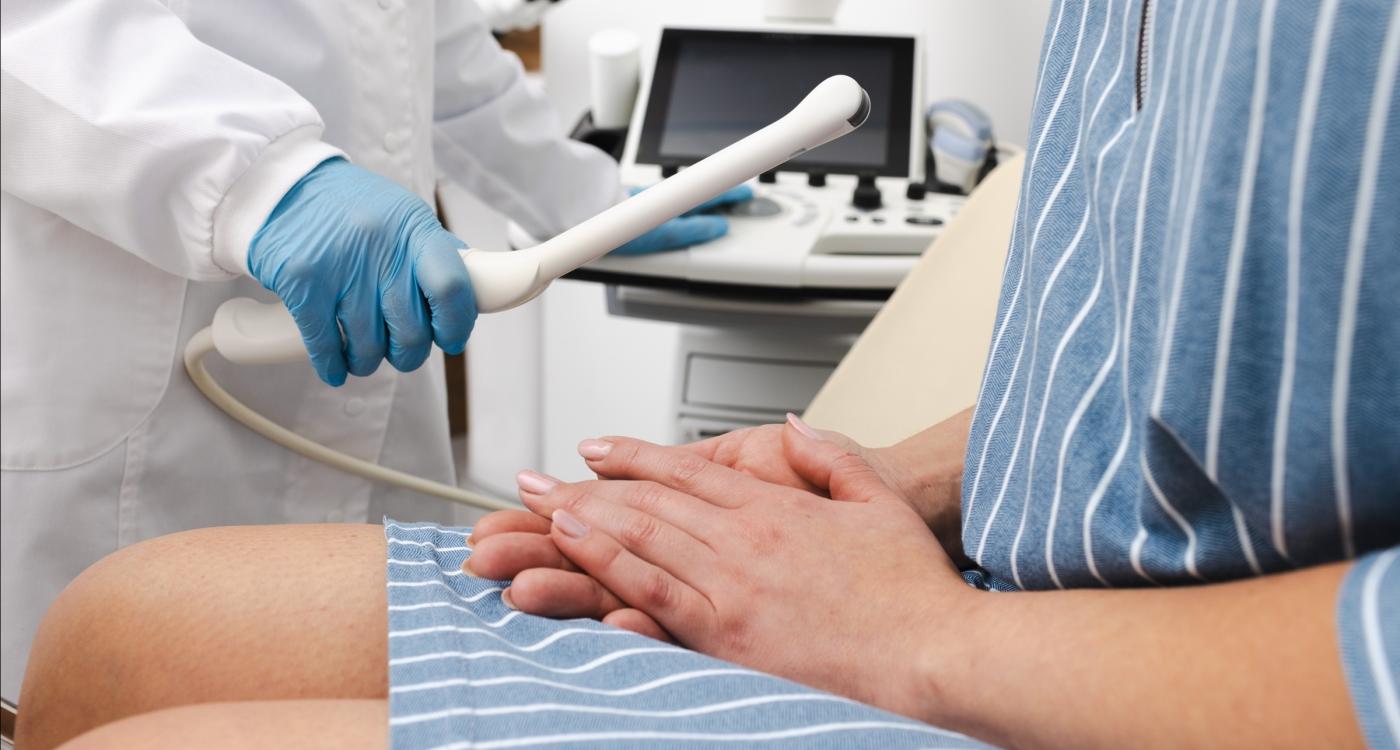
Remotely assisted at-home transvaginal ultrasound may provide a feasible option for obtaining diagnostic-quality pelvic imaging, according to a new analysis published in JAMA Network. The study evaluated whether patients could perform transvaginal ultrasound examinations at home with real-time guidance from a remote sonographer.
Transvaginal ultrasound is widely used for evaluating the uterus and ovaries and plays an important role in gynecologic imaging, reproductive health, and clinical decision-making. According to the study authors, offering an at-home alternative could help improve access to care and encourage greater adherence to recommended imaging.
“Growing telemedicine capabilities and at-home diagnostic testing have begun to improve both access to care and health outcomes in women’s health,” corresponding author Alessandra J. Ainsworth, MD, Mayo Clinic Minnesota, and colleagues wrote in their JAMA Network paper. “These novel approaches to emerging technologies in reproductive health have been well received but largely limited to virtual care and at-home blood collection," they added later. "Additional at-home diagnostic testing, including pelvic ultrasonography, is needed for comprehensive reproductive care.”
Diagnostic-quality images achieved in most cases
Researchers investigated the feasibility of remote-assisted ultrasound using investigational Turtle Health Ultrasound Scanner kits. Each kit included a repackaged Clarius Ultrasound Scanner, an iPhone for secure communication during the examination, and the accessories required for imaging.
During the examination, participants received live guidance from a trained sonographer through remote communication while performing the scan themselves.
The study included 263 premenopausal women. According to the researchers, 253 participants (96%) successfully acquired images that met diagnostic quality standards, while only 10 examinations (4%) did not produce diagnostic-quality images.
No adverse events or adverse effects associated with the at-home ultrasound kits were reported during the study.
Patient satisfaction and future research
Researchers also assessed patient satisfaction using Net Promoter Scores, which measure the likelihood of recommending a service to others. The at-home examination received a score of 59, compared with 24 for conventional in-clinic examinations.
The authors noted that the success of the examinations depended heavily on the expertise of the remotely guiding sonographer, an important consideration for healthcare providers evaluating this approach.
“These findings represent an innovative and clinically accurate solution to expansion of at-home care that aims to decrease barriers to care, both individual and systemic,” the group noted. “Future studies could focus on the costs of implementation and long-term use of this technology.”
The researchers concluded that the findings support the feasibility and safety of remotely assisted at-home transvaginal ultrasound, while noting that additional studies are needed to evaluate implementation costs and long-term clinical use.
Source: JAMA Network