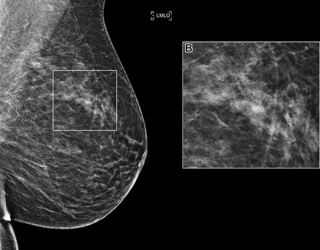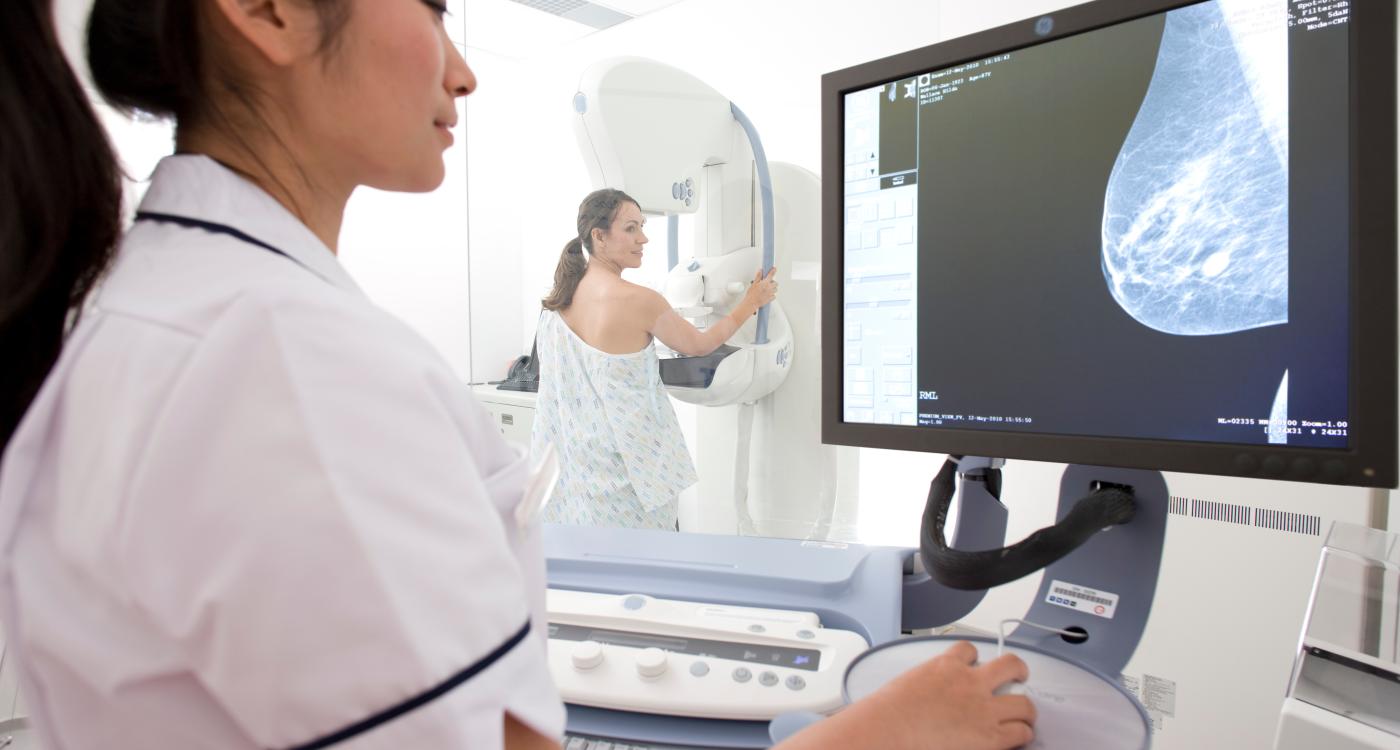
Artificial intelligence (AI) analysis of mammograms could be used to detect three common cardiovascular diseases (CVDs).
The retrospective cohort study included 29,921 women who underwent 97,364 mammography examinations. The women had a median age of 54 years. Clinical information on hypertension, ischemic heart disease, also known as coronary artery disease and stroke was obtained from electronic medical records, medication prescriptions and procedural and imaging findings.
Within the cohort, hypertension had a prevalence of 16%, while ischemic heart disease and stroke each had a prevalence of 2.5%.
Deep Learning Model Shows Differing AUROCs
Researchers trained the deep learning model to identify features in mammograms from women with hypertension, ischemic heart disease, or stroke. Its ability to distinguish between women with and without each condition was assessed using the area under the receiver operating characteristic curve (AUROC), which ranges from 0.5 for random guessing to 1.0 for perfect discrimination.
Dr. Viana Copeland from Chaim Sheba Medical Center and Tel Aviv University, explained: "Because mammography is already widely used, analyzing the same images for cardiovascular information could potentially offer a scalable approach without requiring an additional imaging examination. Mammography also reaches many women in midlife, an important period for recognizing and addressing cardiovascular risk."
Researchers Plan Further Model Development
The researchers are now working to improve the model's accuracy and reduce both false-positive and false-negative results. They also plan to investigate whether mammograms could help identify additional cardiovascular conditions.
Copeland said the study was motivated in part by the opportunity to examine cardiovascular health in women who undergo routine breast cancer screening, including those who have not sought medical care for cardiovascular symptoms.
Accuracy and Reliability Remain Key Challenges
Associate Professor Elena Arbelo, a member of the ESC Communication Committee, emphasized the potential of the approach while noting the need to establish its accuracy and reliability: "As both a cardiologist and a woman, I find this concept compelling: A mammogram may one day do more than look for breast cancer—it may also offer a window onto cardiovascular health."
The study therefore points to a potential additional use of existing mammography images, while further work is focused on model accuracy, false-positive and false-negative rates, and the assessment of other cardiovascular conditions.
Source: European Society of Cardiology