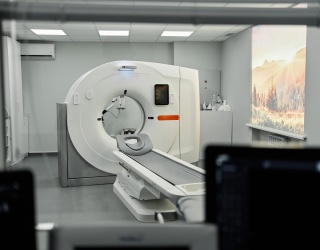
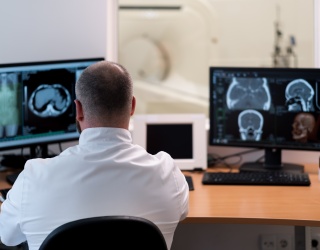
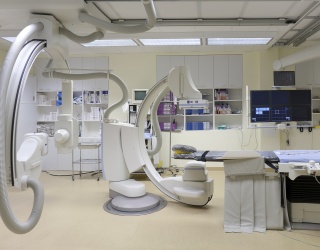
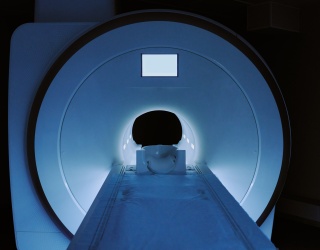
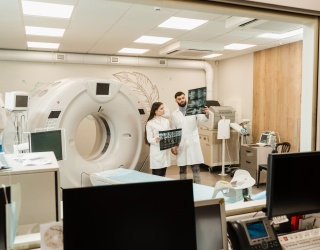
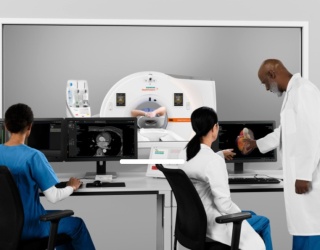
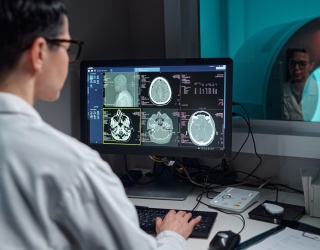
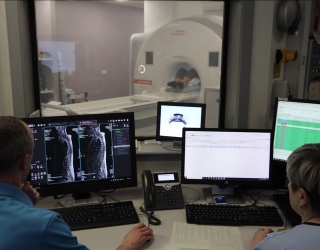
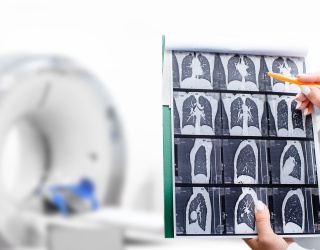
Energy savings in CT and MRI can come from low-power modes, protocol optimization, and better measurement, with medical physicists helping integrate changes into clinical workflows.
Brainomix reports Phase III INBUILD data on quantitative CT in 474 patients with progressive pulmonary fibrosis, examining treatment response and FVC decline.
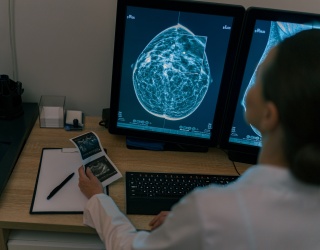
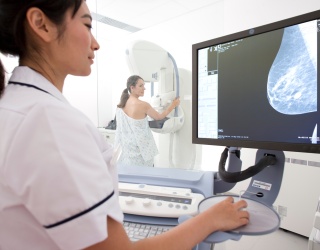
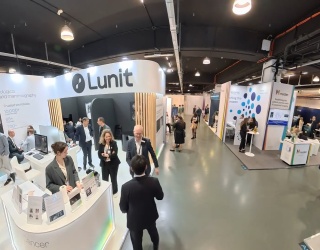
Lunit will deploy its INSIGHT MMG AI mammography solution across three Stockholm Region hospitals, supporting an expected 200,000 – 250,000 examinations annually.
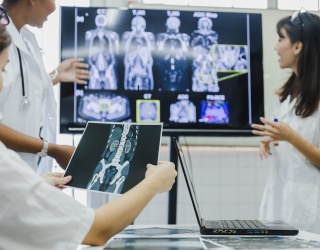
RADAR, a generalist vision-language AI model for abdominal CT, achieved high diagnostic performance across 146 findings and increased radiologist sensitivity.
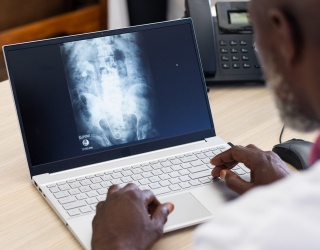
The U.S. Food and Drug Administration (FDA) has granted Breakthrough Device Designation to Aidoc's First Read, an AI solution designed to analyze chest radiographs and generate preliminary radiology report text.
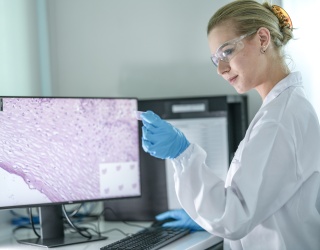
Researchers have developed an AI-based virtual staining technique that generates histology-like images directly from phase-contrast micro-CT data. The approach enables three-dimensional visualization of tissue samples without conventional staining.
As AI becomes part of everyday radiology, experts argue that successful implementation depends as much on human factors, workflow integration, and communication as on algorithm performance.
As specialist shortages and procedural complexity continue to increase, Europe is exploring how assistive AI could help strengthen healthcare systems without replacing clinical expertise.
An international study presented at ESTRO 2026 found that an AI-based radiotherapy planning tool generated clinically acceptable treatment plans for cervical and prostate cancer in most cases.
At ISMRM 2026, GE HealthCare is presenting new MRI technologies and research tools focused on AI-driven workflows, deep-learning reconstruction, helium-free MRI systems, and collaborative neuroscience research.
The American College of Radiology has approved its first practice parameter for imaging artificial intelligence and introduced the Assess-AI technical framework to support ongoing monitoring of clinical AI performance in radiology workflows.
RadNet is expanding into Idaho through a joint venture with Trinity Health’s Saint Alphonsus Health System, adding five imaging facilities and extending its outpatient imaging network into its 11th U.S. state.
Experts at ECR 2026 discussed one of the growing challenges in clinical AI adoption: how to ensure AI tools remain reliable and safe once they enter daily radiology workflows.
SimonMed has deployed AIRS Medical’s AI-powered SwiftMR solution across its nationwide imaging network to improve MRI image quality, reduce scan times, and support workflow efficiency across a multi-vendor MRI infrastructure.
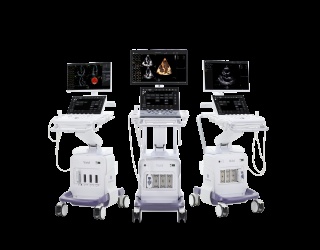
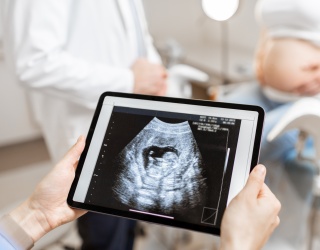
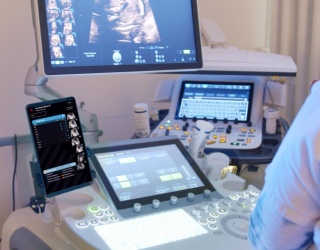
The application enables clinicians to integrate AI-assisted analysis directly into routine prenatal imaging workflows using existing ultrasound systems.
Radiology experts at ECR 2026 examined why diagnostic errors occur, how artificial intelligence may affect them, and why open communication with patients remains essential when mistakes happen.
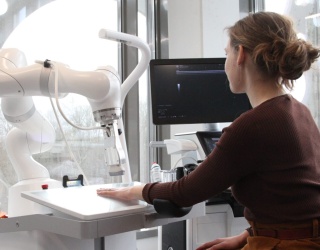
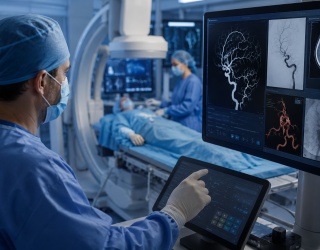
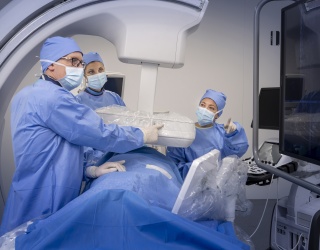
The SHERPA research consortium has launched seven clinical studies to evaluate AI- and robotics-assisted technologies for minimally invasive treatment of brain aneurysms and tumors.
Bracco Imaging showcased AiMIFY® at ECR, an AI-powered MRI contrast enhancement solution developed with Subtle Medical that analyzes brain scans and amplifies existing contrast signals.
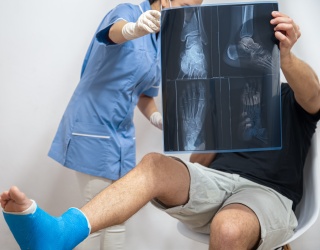
The combined portfolio spans fracture detection, bone fragility assessment, and risk prediction across X-ray and DXA, aiming to support both acute trauma diagnostics and preventive bone health management.
At European Congress of Radiology (ECR) 2026, Bayer highlighted new developments in MRI technologies and contrast agents aimed at improving diagnostic efficiency and patient care.
The €230m acquisition of French AI firm Gleamer expands DeepHealth’s imaging AI portfolio across key modalities including X-ray, CT, MRI and mammography.
BrightHeart has made its B-Right AI Platform available through GE HealthCare’s Voluson™ Solution Store, integrating AI-driven support directly into prenatal ultrasound workflows to assist clinicians with congenital defect screening and full-exam guidance.
RSNA 2025 made one thing unmistakably clear: Cardiac CT angiography (CCTA) has reached a turning point—and it is beginning to redefine how we detect and prevent heart disease.
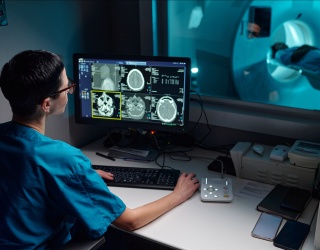
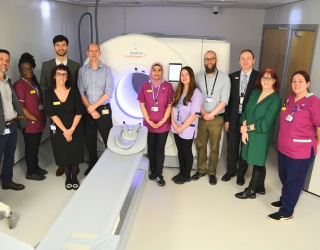
NHS Fife has implemented Siemens Healthineers’ Deep Resolve technology to shorten MRI scan times by more than 20%. The AI-based image reconstruction approach has reduced waiting times, and enabled nearly 1,900 additional MRI appointments within six months.
Brainomix has reported results from an AI-driven imaging analysis supporting a Phase II clinical trial of a neuroprotective drug candidate for acute ischemic stroke.
The American Society of Echocardiography (ASE) has reviewed its healthcare advocacy activities in 2025, highlighting efforts related to Medicare reimbursement, workforce shortages, artificial intelligence policy, and federal research funding in cardiovascular imaging.
This website uses cookies to give our readers the best website experience. Please refer to our privacy policy to find out how we use cookies and how you can edit your preferences.