AI analysis examines infarct volume and treatment response
Brainomix and Remedy Pharmaceuticals have reported findings from a post-hoc analysis of the Phase 3 CHARM trial (NCT02864953). The analysis investigated whether AI-powered non-contrast CT (NCCT) could help identify patients with large hemispheric infarction (LHI) who may benefit from intravenous glyburide (CIRARA).
Previous post-hoc analyses of the CHARM trial suggested a greater treatment effect in patients with smaller imaging-defined infarct cores. This included patients with CT perfusion (CTP) or MRI lesion volumes below 125 mL.
Brainomix used automated NCCT analysis to measure acute infarct volumes in 428 study participants. The aim was to investigate whether this more widely available imaging method could help identify patients who may respond to treatment.
Subgroup analysis shows differences in functional outcomes
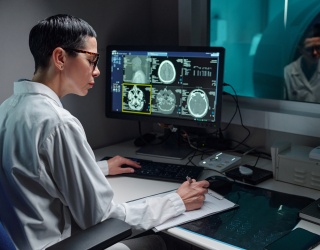
Using Brainomix 360 Stroke software and research functionality from its in-house AI Core Lab, Brainomix analyzed baseline and follow-up NCCT, CTP, and diffusion-weighted imaging (DWI)-MRI scans. The analysis also included clinical outcomes.
The per-protocol analysis covered 362 patients. It excluded participants enrolled using NCCT with an e-ASPECTS score above 5. In this group, CIRARA showed a borderline association with improved functional outcomes on the modified Rankin Scale (mRS).
A subgroup of 191 patients had an acute infarct core volume below 125 mL. In this group, CIRARA was significantly associated with improved outcomes. These included a favorable shift in mRS scores and a greater likelihood of achieving mRS 0–3 at 90 days.
A broader modified intention-to-treat analysis included all 428 patients. It also found a significant non-linear interaction between infarct core volume and treatment allocation. This suggests that both lower and upper infarct-volume thresholds may influence treatment response.
Implications for patient selection and future trials
Sven Jacobson, CEO of Remedy Pharmaceuticals, highlighted the significance of the NCCT findings for future patient selection: "We are excited by the additional signals of efficacy for CIRARA emerging from this analysis of the CHARM dataset. Seeing CIRARA associated with significantly improved functional outcomes in patients with imaging characteristics defined on non-contrast CT (NCCT) supports the potential for the selection of treatable patients using NCCT. The insights from the Brainomix analysis are encouraging and we look forward to investigating these findings further. We are committed to advancing the CIRARA program in patients with large hemispheric infarction, a devastating form of stroke with very limited treatment options."
Brainomix Chief Medical & Innovation Officer Dr. George Harston also emphasized the potential of NCCT-based patient selection: "This analysis suggests that the patients most likely to respond to CIRARA could be identified using automated analysis of non-contrast CT, the most widely available form of stroke imaging. Removing the need for advanced imaging opens up the opportunity to select patients for clinical trials at far more hospitals, widening access to trial participation and, ultimately, to treatment. Robust, reproducible imaging analysis will be essential to ensure that promising novel therapies are successfully translated from clinical trials into routine clinical practice, so that they reach the patients who need them most."
The exploratory findings support further evaluation of CIRARA in selected patients with LHI. They also highlight the potential of automated NCCT analysis to inform patient selection and the design of future stroke trials. However, the results do not establish treatment efficacy in the identified subgroup.
Source: Brainomix