An international study presented at ESTRO 2026 found that an AI-based radiotherapy planning tool generated clinically acceptable treatment plans for cervical and prostate cancer in most cases.
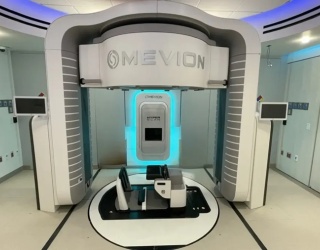
Mevion Medical Systems has introduced the S250-FIT Proton Therapy System at ESTRO 2026, presenting a proton therapy platform designed for installation within standard radiotherapy vaults and existing LINAC-based cancer treatment environments.
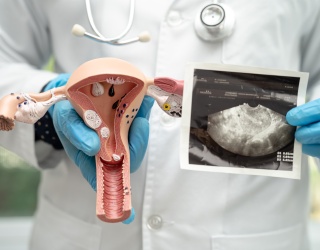
Researchers from the University of Oxford and Serac Healthcare reported promising Phase II results for a molecular imaging agent designed to detect and monitor endometriosis using SPECT-CT imaging.
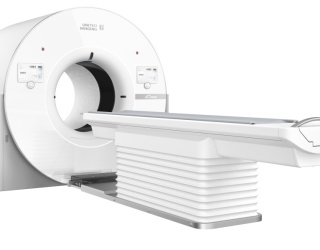
Philips has received FDA 510(k) clearance for its Rembra imaging platform, including Rembra CT, Rembra RT and Areta RT, designed to support high-throughput CT imaging and radiation therapy planning across the cancer care pathway.
Coronary CT angiography (CCTA) plaque quantification improves cardiovascular risk prediction in women with stable chest pain, identifying high-risk patients who may be missed by traditional models.
A dual imaging approach combining OCT and cardiac MRI identified the underlying cause in 79% of patients with myocardial infarction and non-obstructive coronary arteries (MINOCA).
The combined portfolio spans fracture detection, bone fragility assessment, and risk prediction across X-ray and DXA, aiming to support both acute trauma diagnostics and preventive bone health management.
German MedTech firm installs its nu:view spiral breast CT at Malvern Breast Imaging, bringing compression-free 3D breast imaging to Australia for the first time.
ECR 2026 will host its first Alzheimer’s Day, bringing radiologists, clinicians, and industry partners together to examine how imaging supports early diagnosis, treatment decisions, and monitoring
Bayer has reported positive Phase III subgroup data for its investigational low-dose MRI contrast agent gadoquatrane in cardiac MRI. The results, presented at SCMR 2026, support efficacy and safety with a 60% reduction in gadolinium dose compared to standard macrocyclic agents.
RSNA 2025 made one thing unmistakably clear: Cardiac CT angiography (CCTA) has reached a turning point—and it is beginning to redefine how we detect and prevent heart disease.
The American Society of Echocardiography (ASE) has reviewed its healthcare advocacy activities in 2025, highlighting efforts related to Medicare reimbursement, workforce shortages, artificial intelligence policy, and federal research funding in cardiovascular imaging.
The European Society of Radiology (ESR) has welcomed the European Commission’s Safe Hearts Plan, a new EU-wide strategy to address cardiovascular health in Europe.
The 111th Scientific Assembly and Annual Meeting of the Radiological Society of North America (RSNA 2025) opened with a powerful message of unity, scientific progress, and the expanding impact of precision medicine.
The Ruhr Radiology Congress (RKR) once again lived up to its name as a continuing education congress this year: in addition to numerous lectures and workshops, the two days of the congress (November 13 & 14) focused on interdisciplinary exchange with practicing physicians and attracted young talent with fresh, new topics.

Elucid has introduced PlaqueIQ, a CT-based image analysis software indicated for the carotid arteries, enabling precise quantification of plaque composition to help physicians assess stroke risk and personalize treatment.

QT Imaging announces collaboration with Intelerad Medical Systems to deploy Cloud PACS for research and clinical connectivity across its breast imaging network.
Designed to deliver x-ray radiation with patients in a natural seated posture, the system aims to improve treatment consistency, comfort, and global access to radiotherapy.
A new case series presented at the IASLC World Conference on Lung Cancer 2025 highlights how AI-powered chest X-rays can identify malignant nodules in patients without prior suspicion of lung disease.
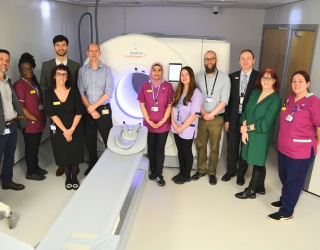
Nottingham University Hospitals NHS Trust (NUH) has become the first site in the UK to install a photon-counting CT scanner with integrated laser-guided intervention.
A study found that pelvic ultrasound after a negative CT scan offers little benefit in emergency gynecological care. While some outpatient findings were identified, urgent conditions were not detected.
This website uses cookies to give our readers the best website experience. Please refer to our privacy policy to find out how we use cookies and how you can edit your preferences.