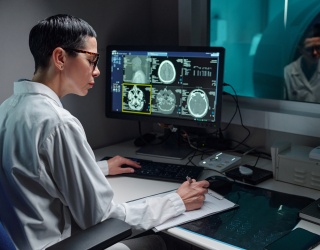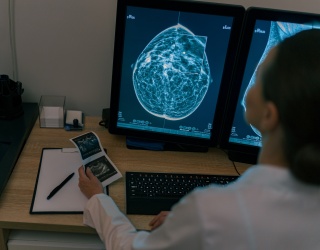
Philips has introduced Advanced Image Insights, a cloud-based solution for medical imaging. It combines advanced visualization applications with centralized management and orchestration of third-party artificial intelligence (AI) applications. Connected to Philips HealthSuite Imaging, the platform integrates image analysis results into existing radiology workflows and supports the creation of structured multimedia reports.
Connecting advanced visualization and AI applications
Advanced Image Insights provides access to advanced applications and AI-enabled analysis tools across supported imaging modalities, clinical specialties and sites. The solution connects to Philips HealthSuite Imaging PACS, bringing analysis tools and their results directly into the radiologists’ image review workflow.
The platform also integrates with Philips Interactive Reporting Assistant to bring clinical findings, key images and AI-generated results together in structured multimedia reports. These reports can include hyperlinks, tables and graphs to make information accessible within the reporting workflow.
Additional functions include:
- built-in voice recognition,
- automatic template selection and
- data population.
According to Philips, these features are designed to streamline report creation and reduce repetitive documentation and manual data transfer.
AI-supported analysis in lung CT workflows
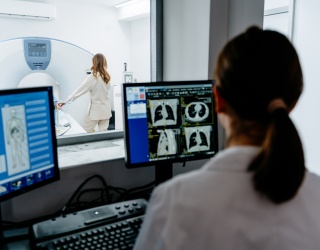
Philips cites lung CT as an example of how the solution can integrate multiple AI applications into a single workflow. During image review, AI applications can analyze scans in the background for signs of incidental pulmonary embolism, while other applications can support quantitative lung nodule assessment.
Advanced Image Insights makes the resulting analysis available within the clinical workflow, allowing radiologists to review the outputs alongside the original images. The results can then be incorporated into reporting to support the review process.
Radiologists remain responsible for reviewing the images and AI outputs and making the final interpretation. Referring clinicians can also use the additional context to support diagnosis and treatment planning, as well as patient follow-up.
Source: Philips