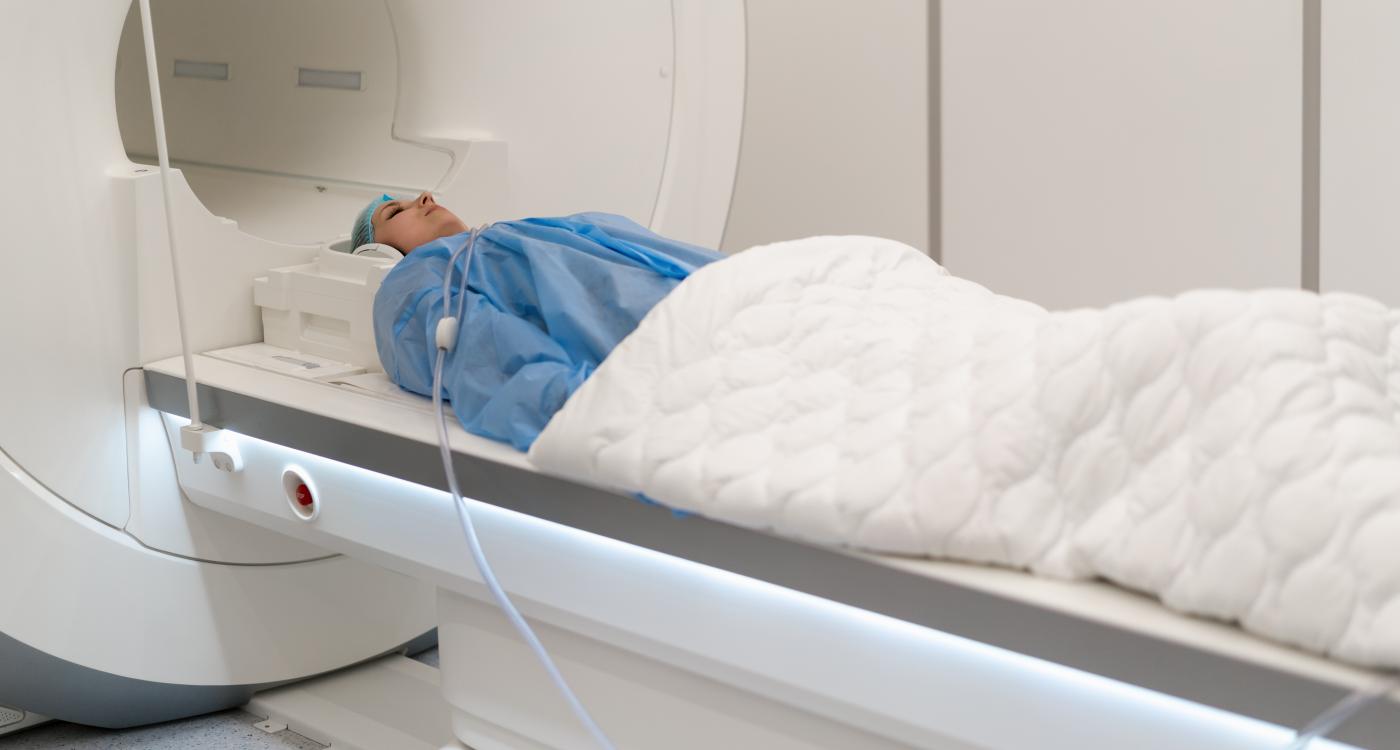
Bayer has presented new analyses from its Phase III clinical program for the investigational MRI contrast agent gadoquatrane, supporting its efficacy and safety across multiple imaging settings, including abdominal MRI, central nervous system (CNS) imaging and MR angiography (MRA).
The results, derived from subgroup, pooled clinical and pharmacokinetic analyses of the QUANTI Phase III studies, were unveiled at the European Congress of Radiology (ECR) 2026 in Vienna.
Across the clinical program, gadoquatrane was evaluated at a dose of 0.04 mmol gadolinium per kilogram of body weight, representing a 60% reduction compared with conventional macrocyclic gadolinium-based contrast agents (GBCAs) typically administered at 0.1 mmol/kg.
The analyses confirmed non-inferior diagnostic performance compared with currently used macrocyclic contrast agents while significantly lowering the gadolinium dose.
Demand growing for lower-dose contrast agents
Interest in lower-dose contrast agents has increased as clinicians seek to minimize lifetime exposure to gadolinium, particularly for patients undergoing repeated MRI examinations.
Dr. Benjamin P. Liu, Associate Professor of Radiology and Radiation Oncology, Northwestern University Feinberg School of Medicine, Chicago, USA, said: "As medicine and science advance for the next generation, contrast enhanced MRI plays an essential role in diagnosis and treatment planning. With health authorities and medical societies recommending the use of the lowest gadolinium dose possible, there is a clear and growing demand for low-dose MRI contrast agents. A low-dose option can reduce patients' lifetime gadolinium exposure while preserving the diagnostic information clinicians require."
Evidence across multiple clinical indications
The QUANTI development program included two multinational Phase III studies — QUANTI CNS and QUANTI OBR — as well as a pediatric trial, evaluating the contrast agent across multiple patient populations.
A total of 808 patients across 15 countries participated in the studies. Subgroup analyses included 161 patients with abdominal imaging indications and 34 patients assessed for MR angiography, with blinded independent image assessments demonstrating comparable visualization performance to established contrast agents.
Safety findings across the analyses were consistent with existing data for macrocyclic GBCAs, with no new safety signals observed.
Additional integrated analyses also explored pharmacokinetics and diagnostic performance in adults and children, supporting the potential for use across age groups and indications.
Regulatory submissions underway
Based on the clinical program results, Bayer has submitted gadoquatrane for regulatory approval in multiple markets, including the EU, US, Japan and China, with further submissions planned.
If approved, the company says the product could become the lowest-dose macrocyclic gadolinium-based MRI contrast agent available.
Dr. Konstanze Diefenbach, Head of Radiology R&D at Bayer’s Pharmaceuticals Division, said: “The sub-analyses data underline gadoquatrane’s consistent diagnostic performance across CNS, vascular, and abdominal imaging at a substantially lower gadolinium dose – an important consideration especially for patients undergoing repeat imaging. The data sets support the potential broad clinical use of gadoquatrane in our efforts to bring this new option to as many patients and their treating physicians as possible.”
Source: Bayer AG