Pediatric MRI Safety Events Remain a Concern
Researchers are calling for continued vigilance in pediatric MRI safety after a new study published in the Journal of the American College of Radiology (JACR) identified 146 MRI safety incidents across five leading pediatric hospitals over a five-year period.
The analysis, reported by Radiology Business, reviewed MRI safety data collected between 2017 and 2022 from nearly 541,000 pediatric MRI examinations. According to the study, while most incidents did not result in significant patient harm, some were classified as serious safety events with the potential for severe consequences.
“Although uncommon, MRI safety incidents do occur in Zone IV of pediatric imaging departments,” corresponding author Jonathan R. Dillman MD, MSc, with the Department of Radiology at Cincinnati Children’s Hospital, and colleagues concluded. “While most cause no serious harm, their persistence and potential for catastrophic outcomes highlight the need for continued vigilance and ongoing safety improvements.”
Most Common Events
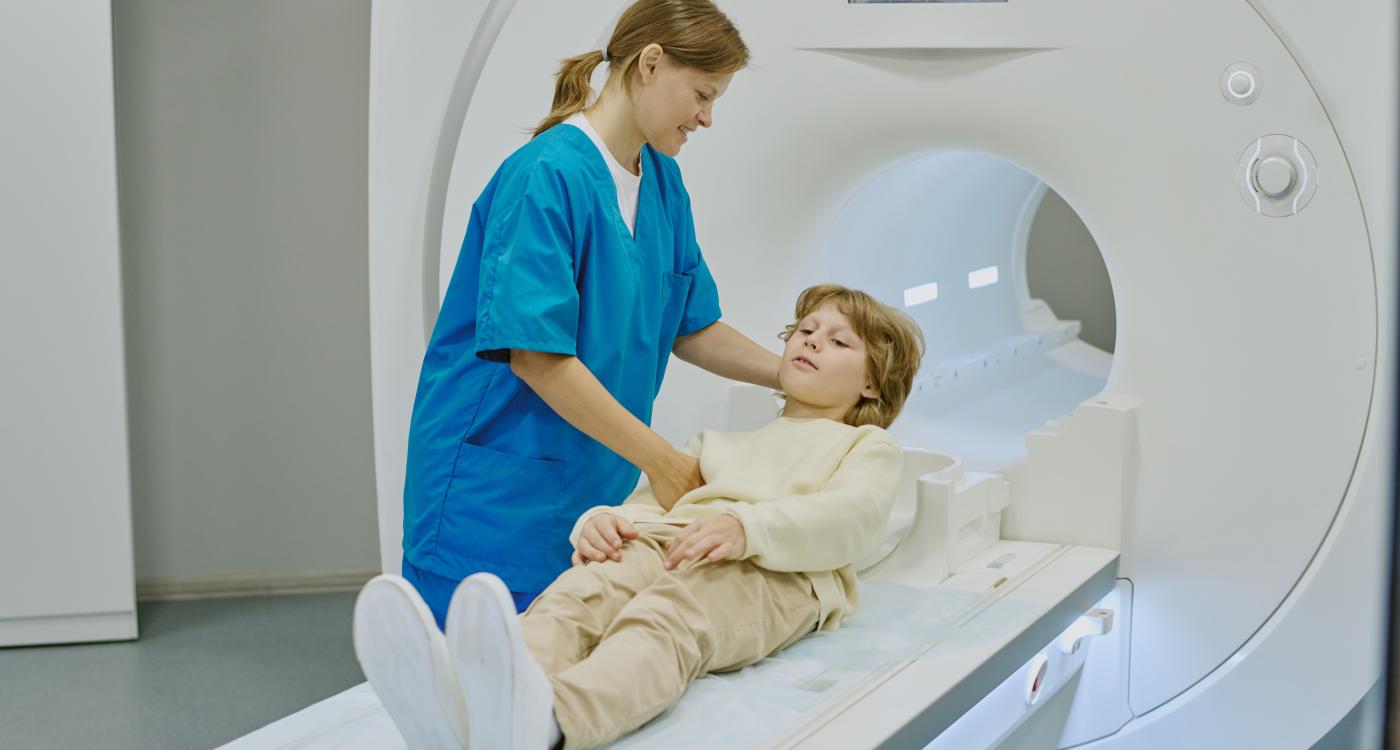
The study focused on incidents occurring in MRI Zone IV, the scanner room where magnetic field exposure presents the highest risk to patients and staff.
Among the 146 documented incidents:
- 30% involved projectile events
- 13% were burn or thermal injuries
- 10% were implant-related incidents
- 7% were classified as serious safety occurrences
Researchers reported that MRI safety protocols were not correctly followed in 60% of the events, while more than half (53%) directly involved patients.
Participating institutions included:
- Seattle Children’s
- Lucile Packard Children’s Hospital
- Children’s Healthcare of Atlanta
- Texas Children’s Hospital
- Cincinnati Children’s Hospital
On average, each hospital experienced approximately five MRI safety incidents per year, or roughly three events per 10,000 MRI examinations.
Implant Safety Remains a Growing Challenge
The study also highlighted implant-related safety concerns in pediatric MRI imaging. According to the authors, between 20% and 30% of pediatric MRI patients may have implants such as glucose monitors, aneurysm clips, hearing implants, or surgical hardware.
The researchers noted that implant-related incidents can occur “even when manufacturer guidelines are followed.”
“As a result, implants represent a growing challenge for MRI safety that requires coordination among radiologists, technologists, scanner manufacturers, device manufacturers and the U.S. FDA,” the authors wrote.
The study identified hearing implants as a recurring issue at one participating institution, which experienced six implant-related MRI safety events during the study period.
The authors emphasized the importance of standardized screening procedures and device verification before patients enter the MRI scanner room.
“Consistent use of device checklists during the MRI safety screening process and imaging encounter is essential to ensure all implants are identified, verified for MRI safety, and safely imaged,” the researchers added.
Focus on MRI Safety Protocols
The researchers also identified personal items and medical equipment as common contributors to MRI safety incidents. Phones, pens, badges, and oxygen tanks were among the objects associated with projectile events.
The study supports continued attention to MRI safety training, screening protocols, and incident reporting processes within pediatric imaging departments.