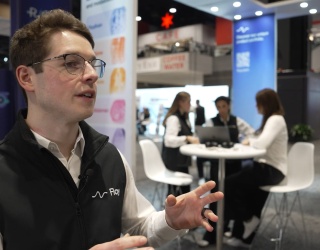
DeepHealth, the AI-powered imaging technology company within RadNet, continues to expand its portfolio of cloud-native imaging informatics and clinical AI solutions. Speaking about the company’s technology strategy at the RSNA 2025, CEO Kees Wesdorp outlined a vision focused on unifying imaging workflows and enabling earlier disease detection across multiple clinical domains.
“We’re driving care forward through innovations in imaging" said Kees Wesdorp, DeepHealth CEO
Unifying the Imaging Experience Through a Single Platform
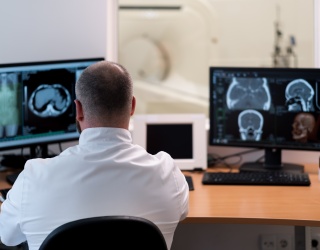
One of DeepHealth’s primary technology objectives is to reduce fragmentation across imaging environments. Radiology departments and imaging providers often rely on disconnected systems for image acquisition, interpretation, operations, and reporting, a challenge that becomes more acute as workforce shortages persist.
DeepHealth addresses this with a cloud-native imaging informatics platform, combining diagnostic, operational, and remote scanning technologies into a unified environment. According to Wesdorp, DeepHealth’s approach rests on two strategic pillars:
- Unified imaging experience: Through an integrated suite of tools including diagnostic workflow, operations management, and remote acquisition (TechLive™), DeepHealth is tackling fragmented systems that slow clinicians down. These cloud-native systems are designed to ease workforce pressures and allow radiology teams to work more efficiently across sites.
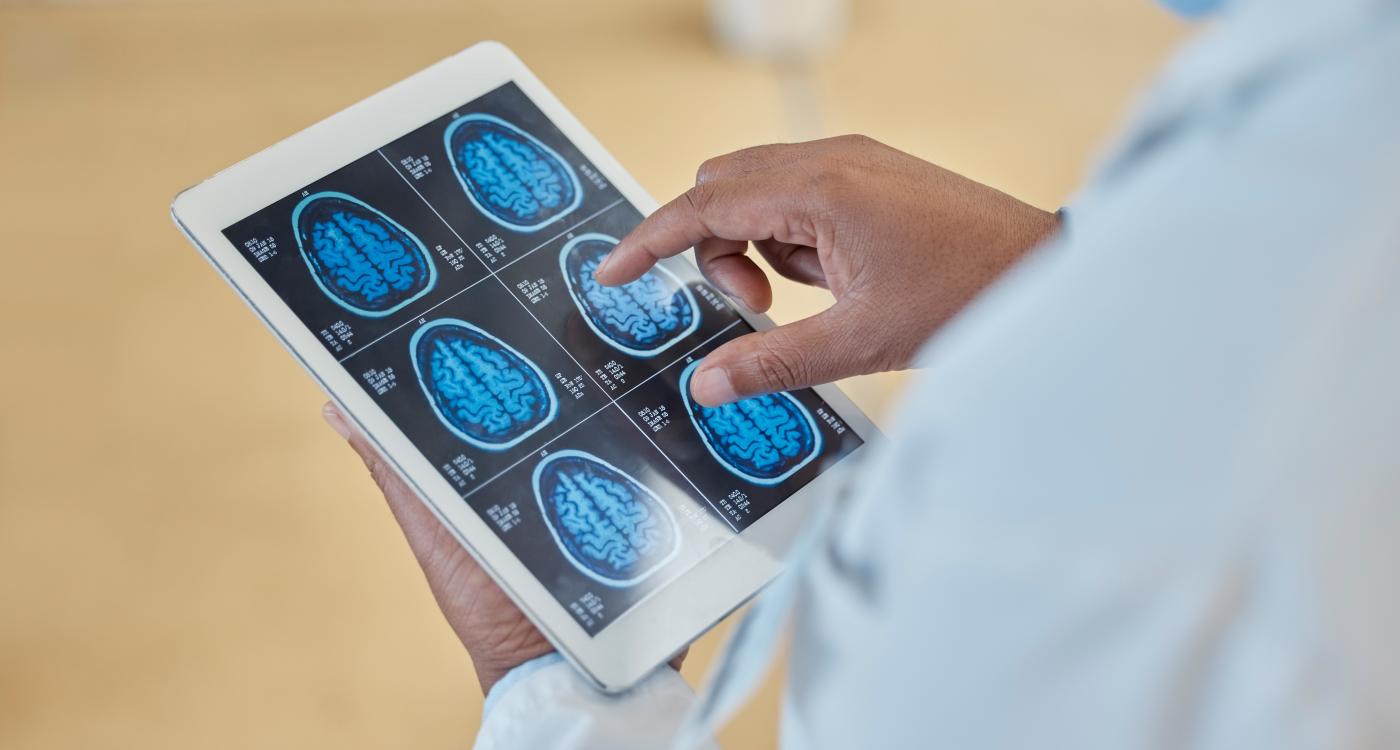
- Advancing population health: With AI tools targeting earlier detection of disease in breast, chest, neurology, prostate, and thyroid imaging workflows, DeepHealth is focused on “stage shifting” disease, diagnosing conditions when they’re most treatable. Wesdorp said the company is already seeing deployment at scale, with impactful outcomes that would have been difficult to achieve just months earlier.
Wesdorp said the company is increasingly translating these technologies into clinical use, supported by measurable operational and workflow improvements.
Strategic Partnership with RadNet
DeepHealth’s development is tightly connected with RadNet, one of the largest diagnostic imaging service providers in the United States, operating more than 400 imaging centers across the United States.
This collaboration has two key benefits:
- Data access: RadNet’s diverse imaging datasets support AI training and model refinement.
- Rapid real-world refinement: The relationship enables fast deployment in clinical settings, structured feedback loops, and iterative model refinement.
Wesdorp referenced DeepHealth’s recent acquisition of See-Mode, underscoring how fast integration of new technology platforms has already enabled rapid deployment of solutions such as AI-driven thyroid nodule detection and automated reporting in operational practice.
CIMAR: A Growth Engine for Connected Imaging
An important part of DeepHealth’s recent technology expansion is the acquisition of CIMAR. Its cloud-native architecture already supports vendor-neutral image management and interoperability across approximately half of NHS Trusts, as well as a significant share of UK private hospital groups, according to company statements.
With CIMAR’s expertise DeepHealth aims to:
- Improve data connectivity and interoperability across large health systems.
- Support scalable AI-powered tools (including clinical AI such as nodule detection and population health analytics tools).
- Lay the digital groundwork for expanding AI-enabled imaging programs across Europe.

Benefits for Clinicians, Patients, and Health Systems
Wesdorp emphasized that DeepHealth’s advances are not only technical developments but also deliver measurable improvements in clinical workflows and patient outcomes.
- Clinicians benefit from tools that reduce report turnaround times, improve diagnostic consistency, and support expert-level performance.
- Patients are more likely to have diseases, especially cancer, identified earlier, when treatments are most effective and less costly.
- Health systems can reduce downstream treatment costs and workload through efficient, earlier detection and automated operational processes.
“For patients, catching disease earlier is great because that means that the disease has a better chance of being dealt with appropriately. And for health systems, the economics of treatment paths are greatly improved.”
From Imaging Informatics to Scalable AI Infrastructure
As AI adoption continues to accelerate, DeepHealth is positioning itself as a global platform for connected imaging and AI-powered workflows. With a focus on cloud-native delivery, integration into existing clinical environments, and strong real-world evidence from deployments, the company is aiming to establish a new global standard for cloud-native imaging informatics and AI-enabled workflows.