Bayer has reported positive topline results from the Phase III REVEAL study evaluating investigational PET tracer iodine 124 evuzamitide for the diagnosis of cardiac amyloidosis. The study met its primary endpoints for sensitivity and specificity, supporting the tracer’s potential use as a non-invasive imaging tool in a disease that is frequently underdiagnosed.
The multicentre study met its primary endpoints for sensitivity and specificity based on visual PET/CT scan interpretation, demonstrating the tracer’s ability to identify and exclude cardiac amyloidosis in patients with suspected disease.
Cardiac amyloidosis is a progressive disorder caused by the accumulation of misfolded proteins in heart tissue, often leading to heart failure and delayed diagnosis. According to Bayer, patients typically wait between two and four years from symptom onset to diagnosis, with no single reliable non-invasive diagnostic test currently available.
Bayer said it plans to discuss the data with the US Food and Drug Administration (FDA) and other regulators as part of potential approval submissions.
Potential to Improve Earlier Diagnosis
The investigational tracer is being developed as a PET imaging agent for patients with suspected cardiac amyloidosis and has already received both FDA Breakthrough Therapy Designation and Orphan Drug status in the US and EU.
Dr. Sharmila Dorbala, Director of Nuclear Cardiology at Brigham and Women’s Hospital and principal investigator of the REVEAL study, said: “Cardiac amyloidosis is often under- or misdiagnosed, impacting patients’ ability to begin appropriate treatment earlier, when it may help prevent further organ damage. These I 124 evuzamitide data demonstrate the potential of a single test to help health care providers identify or exclude cardiac amyloidosis.”
She added: “Clinically, a sensitive, specific and quantitative PET tracer could help distinguish cardiac amyloidosis from other causes of heart failure, differentiate amyloid subtypes when used alongside appropriate laboratory testing, and track changes in cardiac amyloid burden over time.”
Study Included 170 Patients Across 19 US Centres
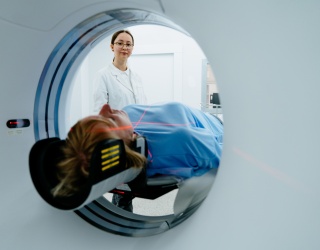
The REVEAL trial enrolled 170 adults with suspected cardiac amyloidosis across 19 centres in the United States. Participants received a single intravenous dose of I 124 evuzamitide followed by PET/CT imaging three to five hours later.
PET images were independently reviewed by experienced cardiac PET physicians blinded to clinical data, while standard-of-care diagnoses were separately adjudicated by amyloidosis experts.
Secondary analyses assessed diagnostic performance across both ATTR and AL amyloidosis subtypes.
Bayer Expands Precision Imaging Strategy
The tracer is one of two investigational amyloid imaging agents Bayer acquired from Attralus earlier in 2026, strengthening the company’s molecular imaging pipeline in cardiovascular disease.
Dr. Konstanze Diefenbach, Head of Radiology Research & Development at Bayer’s Pharmaceuticals Division, said: “As a leader in radiology, we are committed to bringing forward options for earlier diagnosis of diseases such as cardiac amyloidosis for the benefit of patients. We are very excited about the positive topline results of the REVEAL study and are looking forward to sharing the data with the scientific community.”
Source: Bayer AG
More on Bayer's Advances in Precision Diagnostics: