Intraoperative MRI Enhances Neurosurgical Precision at UChicago Medicine
UChicago Medicine has added state-of-the-art intraoperative magnetic resonance imaging (iMRI) capabilities to its neurosurgical program, becoming one of only a small number of hospitals in the United States to deploy this technology. According to the institution, the new system represents a significant step forward in how complex brain and spine surgeries are performed.
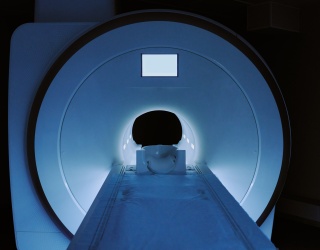
The intraoperative MRI system enables functional MRI scans to be conducted in real time during surgery. Surgeons can detect potential complications and changes in brain activity in as little as seven seconds, allowing them to adjust their approach while the procedure is underway. This supports more informed surgical decision-making and helps tailor treatment to the individual patient.
Peter Warnke, MD, neurosurgeon and Director of Stereotactic and Functional Neurosurgery at UChicago Medicine, explained that the technology allows care teams to move beyond focusing solely on visible lesions. Instead, surgeons can consider metabolic profiles and functional brain networks during the operation, supporting a more comprehensive understanding of the patient’s condition.
Streamlining Workflow and Reducing Surgical Time
In addition to clinical insights, the iMRI system addresses longstanding workflow challenges associated with complex neurosurgery. Previously, patients often had to be stabilized and transported to a separate imaging suite during surgery, increasing risk and prolonging procedures.
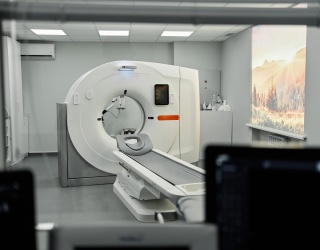
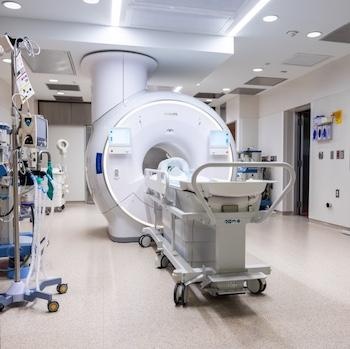
With the new iMRI suite located directly between two operating rooms in the Center for Care and Discovery, imaging can be performed without moving the patient. UChicago Medicine reports that this integration can reduce surgery times by one to two hours. Shorter procedures may contribute to improved patient safety and recovery, while the availability of two dedicated operating rooms allows surgical teams to manage a higher volume of complex cases.
Applications Across Complex Neurosurgical Conditions
The intraoperative MRI technology is primarily used for patients with brain tumors, epilepsy, vascular diseases of the brain, and complex spinal conditions. Mohamad Bydon, MD, Chair of the Department of Neurological Surgery at UChicago Medicine and health system leader for Neurological Surgery, emphasized that iMRI should be viewed as more than an imaging tool.
“Intraoperative MRI is a critical technology in surgery of the brain and spine to treat complex neurosurgical disease,” Bydon said. “We are fortunate to have the most advanced, nation-leading intraoperative MRI. There are many unique features that make it even safer, more efficient and more effective.”
According to Bydon, the investment strengthens the organization’s ability to deliver advanced brain, spine, epilepsy, and vascular surgeries locally, while also attracting patients from across the U.S. and internationally.
“When you come to a place like UChicago Medicine, you are getting the latest leading-edge care, delivered by a multidisciplinary team of experts,” Bydon said.
Long-Term Commitment to Advanced Imaging
The addition of intraoperative MRI reflects years of planning and a sustained commitment to integrating advanced imaging technologies into surgical care. Jeffrey B. Matthews, MD, Surgeon-in-Chief for the University of Chicago Health System and Chair of the Department of Surgery, described the installation as the culmination of long-term strategic investment aimed at improving patient outcomes through technology-driven care.
For radiology and imaging leaders, the implementation highlights how advanced MRI systems can be embedded directly into interventional and surgical environments, supporting precision medicine, workflow efficiency, and multidisciplinary collaboration.