ECR 2026 is guided by the theme “Rays of Knowledge.” What does this motto represent for you personally, and how does it reflect the role of imaging in modern medicine?
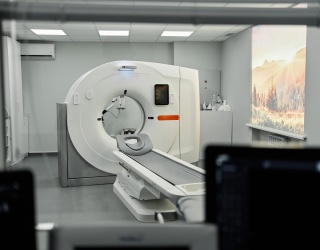
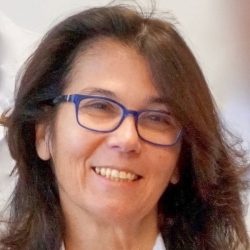
Prof. Minerva Becker: “Rays of Knowledge” captures how imaging reveals what cannot be seen clinically. Like light bringing clarity to darkness, imaging delivers insights central to patient-centered care. From early cancer detection and stroke triage to cardiac risk stratification and monitoring inflammatory disease, imaging is often the point where a hypothesis becomes a diagnosis—or a more accurate one. These “rays” are not only X-rays; they represent the full spectrum of modalities and innovations that illuminate anatomy, physiology, and increasingly function and prognosis. In modern medicine, imaging is no longer a diagnostic add-on: it is a foundational language of care that supports prevention, guides precision treatment, and enables safer, faster pathways across specialties.
The theme also emphasizes imaging as a force for integration. Radiology sits at the crossroads of emergency medicine, oncology, surgery, cardiology, neurology, paediatrics, and more. Imaging provides a shared reference point that aligns multidisciplinary teams, improves communication, supports appropriate intervention, and helps track outcomes over time—strengthening continuity of care.
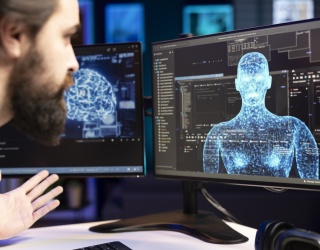
Looking ahead, “Rays of Knowledge” speaks to a future where imaging is even more connected to data and decision support. AI and advanced analytics are expanding what we can extract from images—not only what we see, but what we can quantify, predict, and standardize. This must be validated rigorously, governed responsibly, and implemented equitably so patients everywhere benefit.
“Rays of Knowledge” also highlights the central importance of education in the rapidly evolving field of radiology, where lifelong learning is essential.
Personally, as ESR and ECR 2026 President, the theme represents responsibility and optimism: responsibility to uphold quality, safety, appropriateness, and ethical innovation, and optimism for a field driven by education, research, and collaboration. Above all, it is a promise to translate knowledge into better outcomes, with the patient at the center of every image and every insight.
With education being a key element at ECR 2026, which new or innovative learning formats can participants expect, and how will they address the needs of both young and experienced radiologists?
Becker: Education is at the core of ECR 2026, and several new formats are designed to make learning more interactive, practice-oriented, and inspiring for all career stages.
“Decoding the Diagnosis: Radiology meets Pathology” is an immersive, case-driven correlation track. Why attend? Because it’s one of the fastest ways to level up the diagnostic confidence. Real cases will be presented where imaging findings are matched directly to histology, which sharpens pattern recognition, tightens the differentials, and helps radiologists write more actionable reports. It’s also pure gold for MDT/tumor board work—because radiologists will learn to align imaging language with what pathology actually proves.
The “How We Do It: Fundamentals of Radiological Practice” sessions are an alternative to traditional sessions as they strive to put clinical experience at their core. Participants will discuss real-world workflows and challenges, making these sessions highly relevant for trainees while also encouraging experienced radiologists to refine their daily practice.
Similarly, this year’s In Focus program “The Art of Artificial Intelligence in Clinical Practice”, homes in on real-world use cases for AI. This format prioritizes active discussions and audience participation, and will be relevant to both young and experienced radiologists because the topics and innovations being discussed are so cutting-edge.
Finally, the “Out of the Box” sessions take radiology beyond medicine, exploring its application in art and history. They foster curiosity and creativity and will remind us that learning in radiology also benefits from looking at our field from new and unexpected angles.
Where do you see AI delivering the most immediate and practical benefits in everyday radiology practice?
Becker: From my perspective as a radiologist, Artificial Intelligence is already delivering clear benefits in everyday workflow. It supports image triage, automates repetitive tasks such as measurements and structured reporting, and helps prioritize urgent cases. This improves efficiency and consistency, while giving us more time to focus on complex interpretation and clinical communication.
AI also acts as a supportive second reader, particularly in high-volume areas such as oncology or breast imaging, where it can increase confidence and reduce variability when used responsibly.
At ECR 2026, the focus will be on these practical applications of AI, including how to integrate them safely and effectively into daily practice. The congress aims to help radiologists understand where AI truly adds value and how it can support high-quality, patient-centered care.
As we look ahead to March 2026 in Vienna, what key insights or experiences do you hope participants will take away from ECR 2026
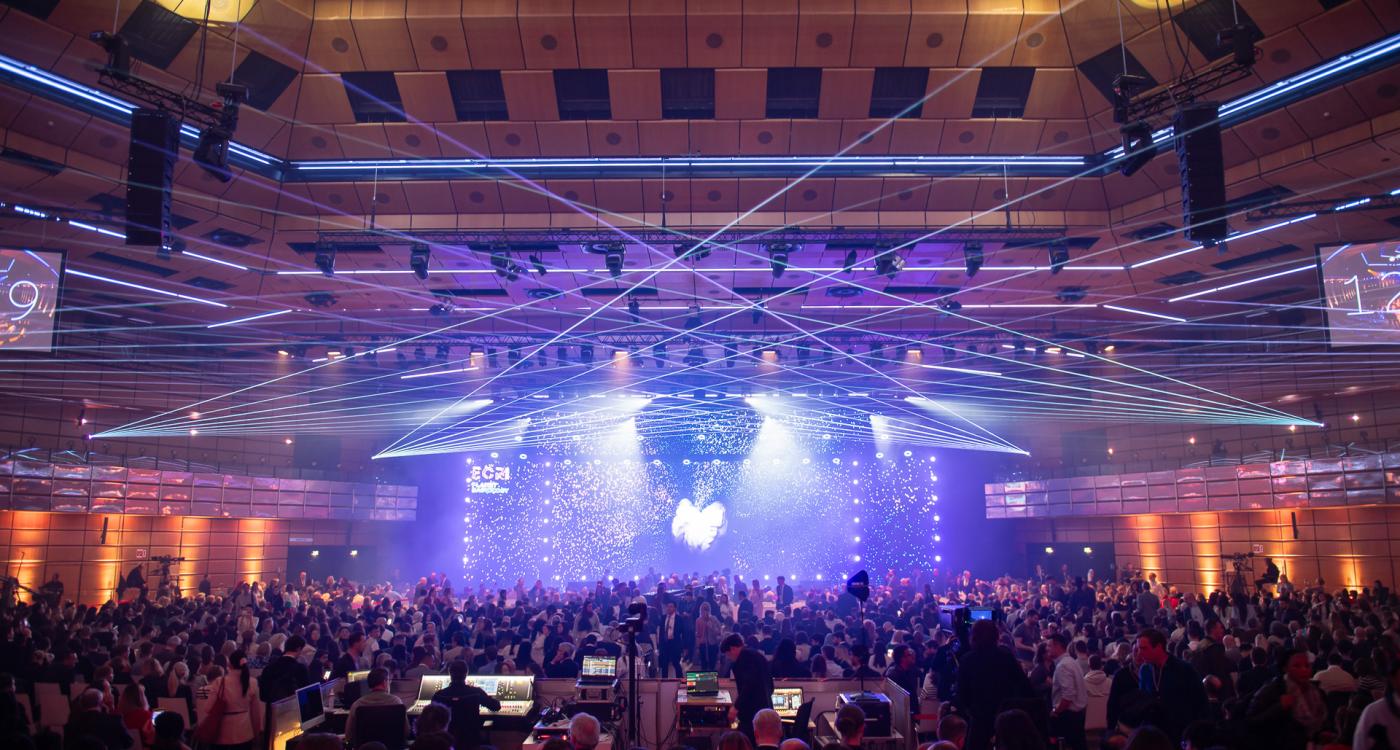
Becker: ECR is such a special event. Each year it offers radiologists, radiographers, industry partners and many others from across the world the opportunity to share scientific breakthroughs, technological advancements, and state-of-the-art research under one roof—always in a familiar, yet innovative, atmosphere that pushes the boundaries of what a medical meeting can be.
At ECR 2026, it’s my hope that the congress theme can live on through the literal “Rays of Knowledge” that each individual will gain by attending. They should take these back to their workplaces, wherever they are in the world, and apply them to improve their daily practice and the outcomes for their patients.
Of course, I also want ECR 2026 to be an unforgettable experience for participants, and from everything I have seen during its planning, I am confident that it will be.