CCTA Enhances Risk Stratification in Women with Chest Pain
Plaque assessment using coronary CT angiography (CCTA) can improve cardiovascular risk stratification in women with stable chest pain. The findings, based on data from the PROMISE trial, indicate that quantitative plaque analysis provides additional prognostic value in women, while offering limited added benefit in men beyond traditional clinical and imaging measures.
The study highlights ongoing challenges in cardiovascular risk assessment, particularly in women, where conventional models may underestimate disease risk.
Limitations of Traditional Risk Models in Women
Current cardiovascular risk models and diagnostic strategies have largely been developed using male populations and may not adequately reflect sex-specific disease patterns. Women more frequently present with nonobstructive or microvascular coronary disease and atypical symptoms, which can complicate diagnosis.
“In addition, heart attacks in women are more often due to causes other than plaque rupture, which may not be as easily predicted by angiography,” said Jan Brendel, MD, a postdoctoral research fellow at the Cardiovascular Imaging Research Center at Mass General Brigham in Boston. “Also, women are falsely perceived to be protected against heart disease, particularly before menopause, which may lead to reduced vigilance and less adequate treatment.”
PROMISE Trial Analysis: Plaque Burden as a Predictor
The analysis included 4,267 patients from the CCTA arm of the PROMISE (PROspective Multicenter Imaging Study for Evaluation of Chest Pain) trial, funded by the National Institutes of Health (NIH). Slightly more than half of the participants were women.
Key findings include:
- Women had lower median plaque volume and burden than men
- Major adverse cardiovascular events (MACE) occurred in 2.8% of patients
- In women, total and noncalcified plaque burden independently predicted MACE
- In men, plaque burden was not significantly associated with outcomes
The median follow-up period was 26 months.
Clinical Implications of CCTA Plaque Quantification
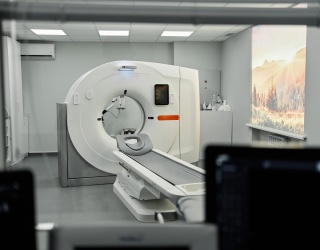
CCTA is a non-invasive imaging modality that enables quantification of coronary plaque and differentiation between calcified and noncalcified plaque. According to the study, incorporating plaque burden into risk models may improve identification of women at higher cardiovascular risk.
“The results suggest that adding plaque burden to traditional risk models would improve prediction of major adverse cardiovascular events in women,” said Dr. Brendel.
“Using coronary CT angiography data from the PROMISE trial, we found that although women tested for suspected coronary artery disease generally have less coronary plaque than men, cardiovascular risk appears to emerge at lower levels of plaque burden in women,” he added. “Moderate increases in plaque burden may therefore carry disproportionate risk in women, suggesting that current thresholds defining high risk underestimate risk in women. Thus, CCTA-derived quantitative plaque measures should be interpreted in a sex-specific clinical context.”
Future Research and Considerations
The study authors noted that additional research is needed before recommending broader use of CCTA for screening based solely on risk factors or biomarkers. However, the findings suggest that even modest plaque burden in women should not be dismissed as benign.
“While our data is not directly supporting CCTA in asymptomatic women, NIH-funded studies are underway to determine the yield for plaque when screening is based on different factors, such as premature family history, genetic risk, or multiple risk factors,” Dr. Brendel said.
The study did not assess menopausal status, although most participants were aged 50 years or older. Researchers highlighted the need to further investigate how hormonal changes may influence cardiovascular risk.