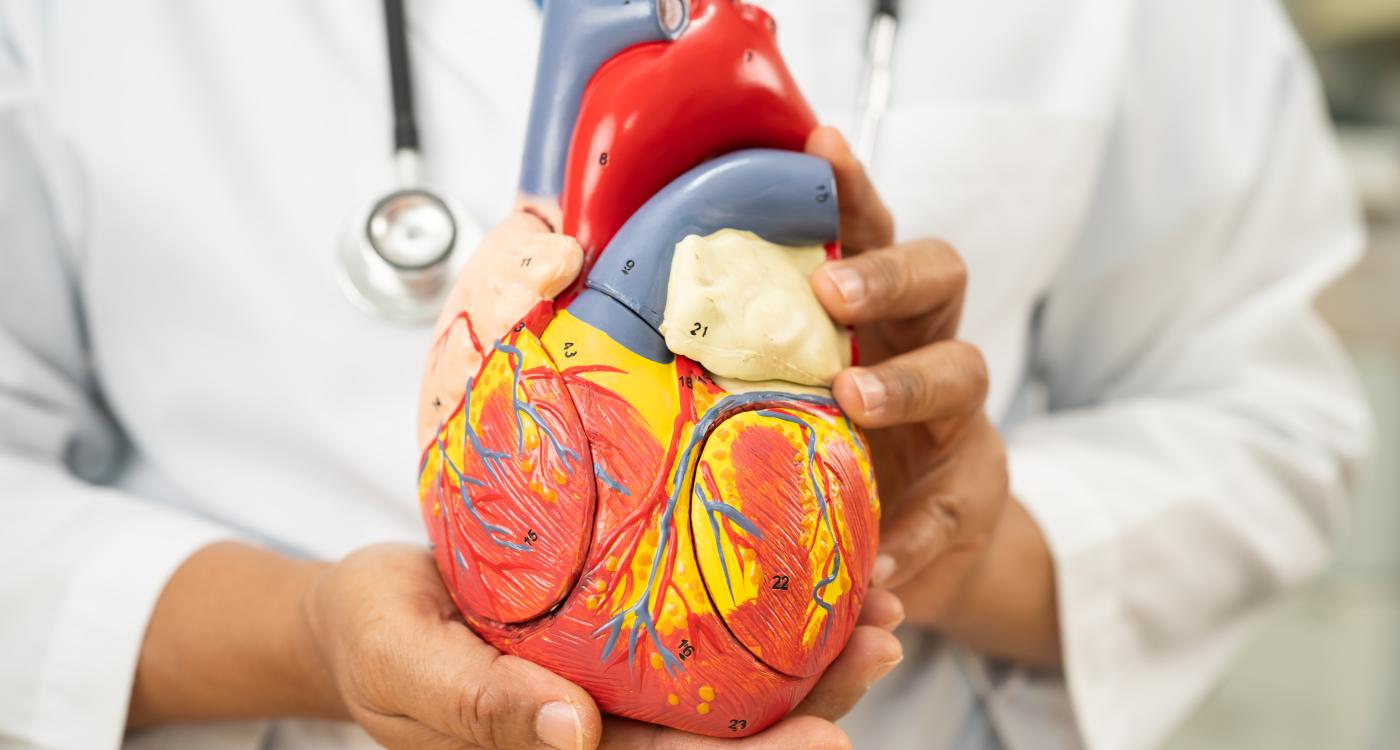
The European Society of Radiology (ESR) has expressed its support for the European Commission’s Safe Hearts Plan, announced on December 16, 2025. Representing more than 149,000 radiologists and medical imaging professionals worldwide, the ESR views the initiative as an important step toward addressing cardiovascular disease (CVD), which remains the leading cause of death in the European Union.
The Safe Hearts Plan marks the first comprehensive, EU-wide approach to cardiovascular health, focusing on early detection, personalized prevention strategies, and the use of digital technologies. According to the ESR, these objectives align closely with the strengths and capabilities of modern radiology and medical imaging.
Medical Imaging as a Core Component of Cardiovascular Care
The ESR emphasizes that the goals of the Safe Hearts Plan cannot be achieved without the structured integration of medical imaging into prevention and care pathways. Radiology plays a central role in contemporary cardiology, supporting early diagnosis, treatment planning, and long-term disease management.
Imaging modalities such as Cardiac Computed Tomography (CT) and Cardiac Magnetic Resonance Imaging (MRI) are increasingly used not only for diagnostic clarification but also for screening, non-invasive interventions and monitoring chronic cardiovascular conditions. These techniques provide detailed anatomical and functional information that supports personalized clinical decision-making.
Prof. Andrea Rockall, Chair of the ESR Board of Directors, stated: “The Safe Hearts Plan marks a historic shift from reactive treatment to proactive prevention. Medical imaging is the ‘eye’ of this transition, providing the clarity needed to detect disease at its earliest, most treatable stages. The ESR stands ready to collaborate with the Commission, Member States, and healthcare organisations”.
Imaging and AI in Prevention and Early Detection
According to the ESR, standardized EU Health Check Protocols proposed within the Safe Hearts Plan will depend on evidence-based imaging techniques. Low-dose CT, for example, can support the identification of individuals at elevated cardiovascular risk before clinical events occur.
Radiology also plays a foundational role in the plan’s digital ambitions. As an established field in the development and clinical application of artificial intelligence, medical imaging provides the technical and clinical framework required for safe and effective AI integration. The ESR notes that its community is well positioned to support the Commission’s AI Incubator by contributing expertise that helps translate digital tools into reliable cardiovascular diagnostics.
ESR Commitment to Implementation and Collaboration
The ESR has reaffirmed its readiness to actively support the implementation of the Safe Hearts Plan. Through its scientific expertise and professional network, the society aims to ensure that the imaging perspective is represented across all pillars of the strategy. By contributing knowledge in imaging standards, clinical validation, and education, the ESR seeks to support improved cardiovascular health outcomes for citizens across Europe.